Guide to High‑Quality Patches
A great patch stands out by its material, craftsmanship, pattern clarity and durability. Here are key points for your reference:
1. Material: Pick suitable base materials such as twill, felt, faux leather or reflective fabric. Good materials feel solid and not easy to tear or deform.
2. Pattern & Craftsmanship: Clear, sharp patterns with neat stitching or printing. No messy threads, burrs or fuzzy edges.
3. Thread & Color: Colorfast threads or inks that resist fading after washing. The colors should match your design steadily.
4. Edge Finish: Merrow border, laser cut or die cut edges should be smooth without loose scraps.
5. Backing: Select sew-on, iron-on, adhesive or hook & loop backing to fit your usage.
Embroidery 50% comparison
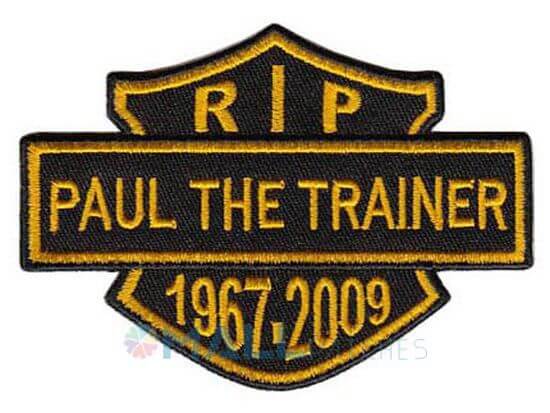
✅ Features of high-quality patches
Precision laser cut or merrow border for neat, smooth edges.
Smooth font lines with dense, even stitching to keep patterns sharp.
Carefully selected materials and layered craftsmanship bring rich visual effects.
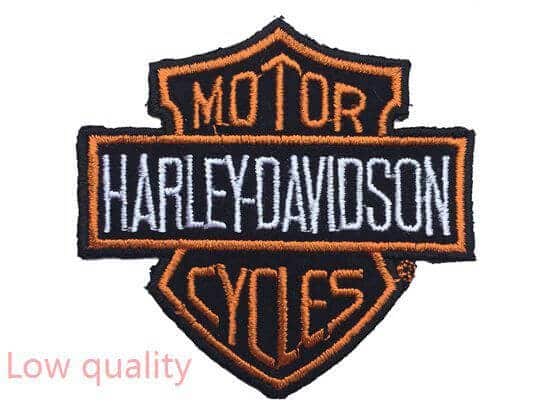
❌ Signs of low-quality patches
Manual trim outline leads to frayed, uneven edges.
Font lines are jagged, and sparse stitching results in blurry patterns and loose lint.
Low-cost production lacks fine details and layered texture.
Embroidery 75% comparison
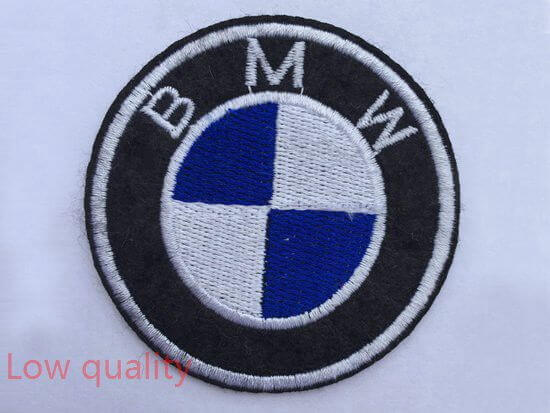
- Sparse stitching, exposed bottom and loose threads
- Soft sides, skipping stitch when embroidering
- Easy to crease and deformable
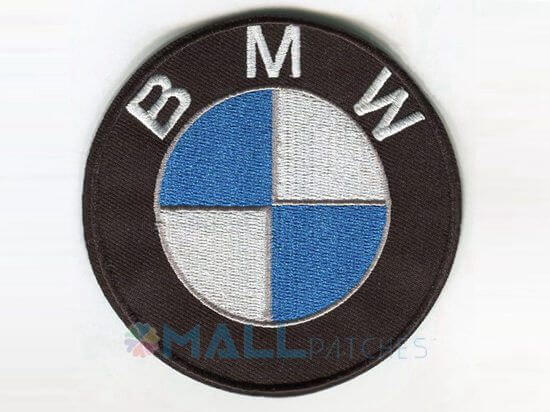
- Dense and compact stitching. threads full and textured
- Neat and fluent when embroidering
- Neat, flat and beautiful
Embroidery 100% comparison
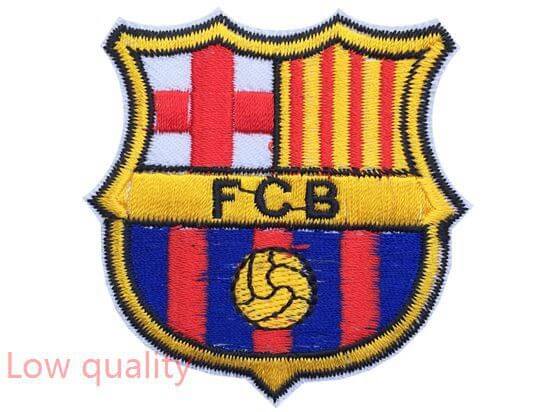
- Sparse in density and bottom exposed
- Extra threads are not trimmed, and the colors are mixed.
- Inaccurate stitching causes embroidery distortion.
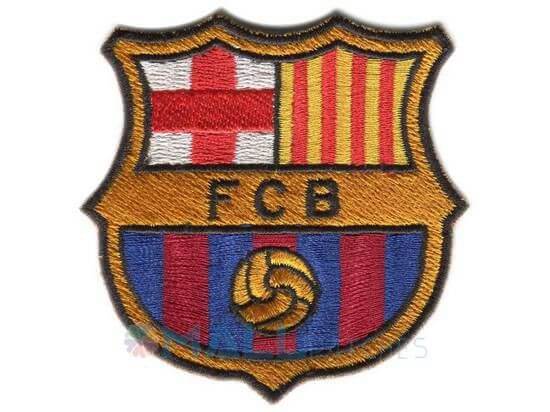
- Uniform in density and strong three-dimensional sense
- No inclusions, with natural color blending.
- Everything is correct and clear in general
Embroidery Design Comparison
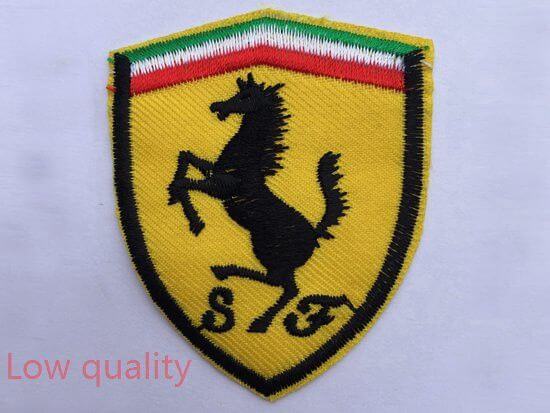
- Trimming on the edge is not in place
- Pattern details unprocessed, fuzzy and rough
- Not enough respect for the author’s original idea
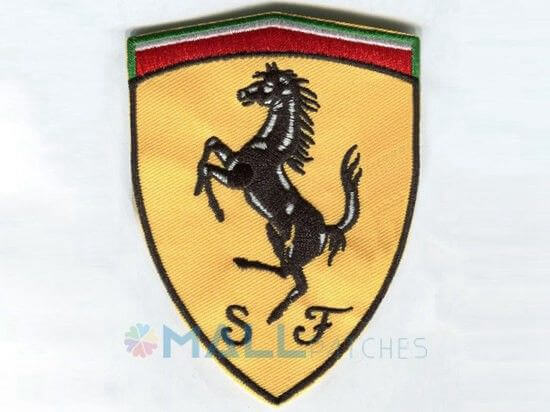
- Flat and smooth on the edge
- Details oriented and the scale reasonable and beautiful
- Respect for the author’s original idea
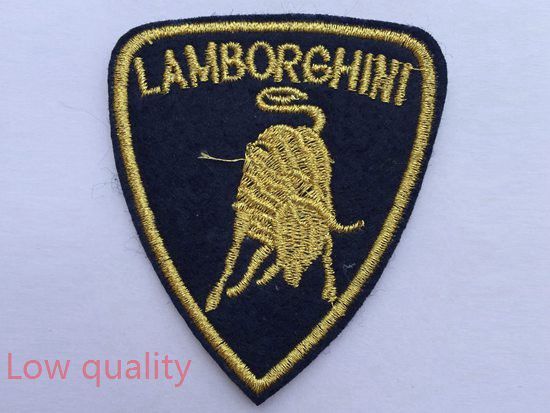
- Letters are unclear and deformed
- Sparse in density and bottom exposed
- Pattern is unclear and lack of depth
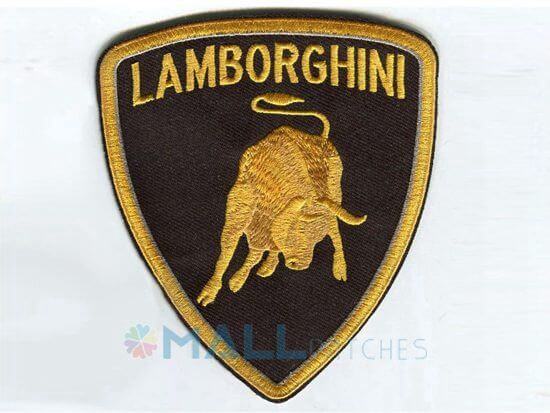
- Letters are correct and clear
- High density in embroidery
- Pattern is well structured and has a three-dimensional effect
Flat Embroidery Stitch
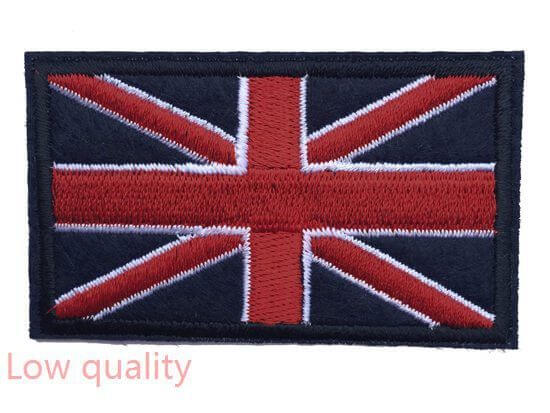
- Edge outline too thick, matched proportion unreasonable
- Incorrect edge color with wrong stitch position
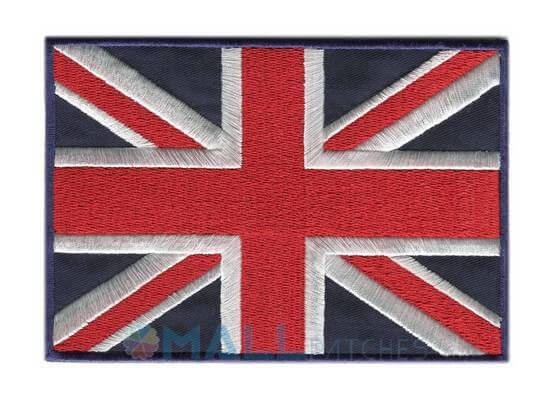
- Edge outlined properly and aesthetics improved
- Correct edge color with right stitch position,clean and tidy
Art of Combination
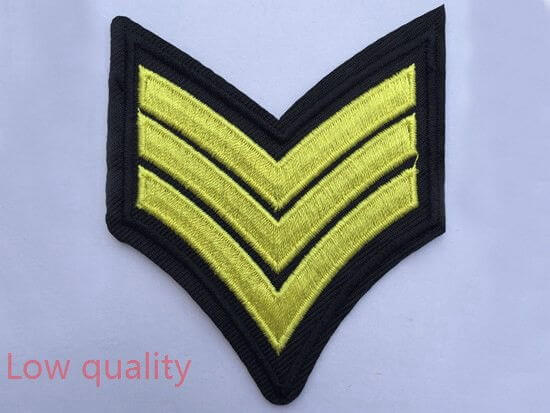
- Left and right asymmetric
- Color is bright but monotonous
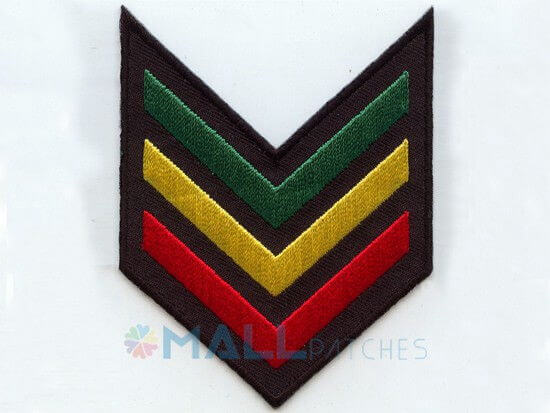
- Left and right symmetric
- Rich color, reasonable and beautiful combination
Art of Designers
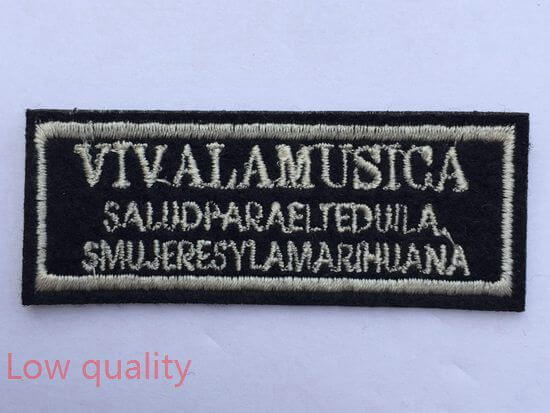
- Stitching direction is incorrect.
- Letters are rough and thread residue not trimmed
- Not skilled designer
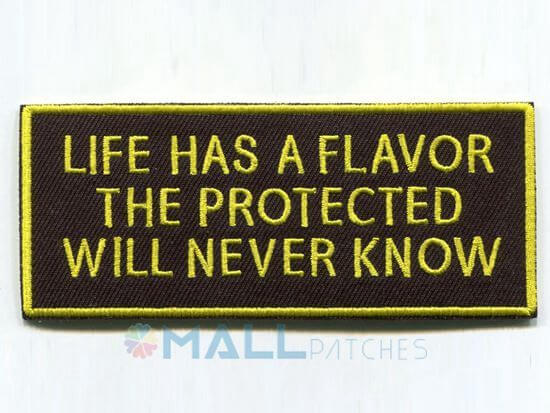
- Stitching is smooth and flat
- Letters are neat and clear
- Skilled designer
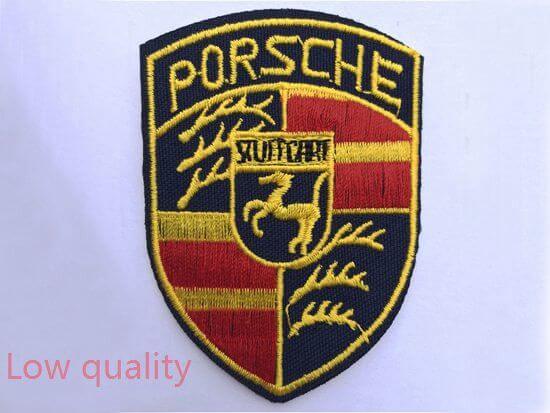
- The outline is not trimmed smoothly, leaving excess material.
- Thread residue not trimmed, letters not clear
- Middle pattern pretty rough and hard to distinguish
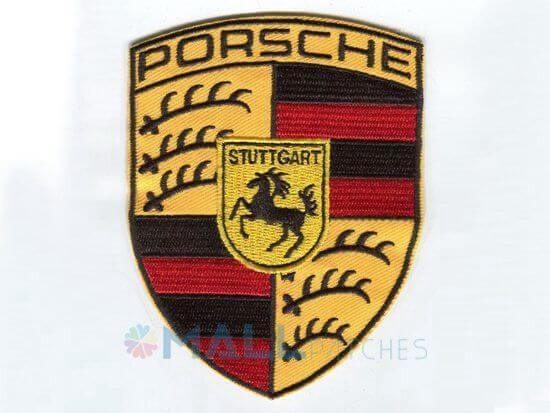
- Trimming fits and neat
- Neat and clear
- Pattern is refined and beautiful
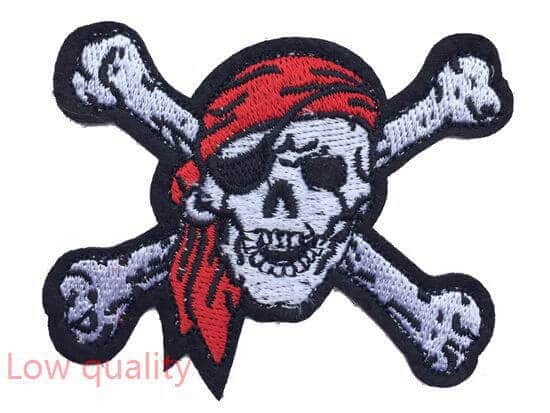
- Embroidery density sparse and bottom exposed
- Flat embroidery stitching caused white dots
- Pattern is dull and rigid

- Embroidery density full and three-dimensional effect outstanding
- Flat embroidery stitching quite smooth
- Pattern is vivid and visual
Wool Yarn and Hair Felt

- Sparse stitching leaves the backing exposed.
- Thread residue not trimmed completely, embroidery threads loose
- Fabric easy to crease, deform and ladder

- Clear outline
- Embroidery threads dense, solid and firm
- Three-dimensional effect and textured
We help you skip the trouble of judging patch quality. Choose from dozens of fabrics, special threads, edge styles and backing types. We handle all craftsmanship details for your custom patches.